Curve Confidence

Flattering, confident style for curves

Statement Pieces That Flatter and Celebrate Curves

2026-07-12

Quick Answer: The statement pieces that work best on curves are the ones that define the waist: a bold wrap dress, a belted coat, a fit-and-flare, high-waisted trousers. Choose structured fabrics — ponte, crepe, quality knit — that skim rather than cling, buy for your fullest measurement, and tailor the rest. Fit is where flattery actually lives.

The advice curvy women get most often is about hiding. Vertical stripes, dark colors, “elongating” everything.

Here’s a more useful frame: the pieces that look best on curves aren’t the ones that disguise a shape — they’re the ones that acknowledge it. A defined waist and a good fabric do more than any camouflage rule ever has.

Statement Pieces That Flatter and Celebrate Curves

At a glance

Why Does the Wrap Dress Work So Well?

Because it’s adjustable at the exact point where sizing usually fails.

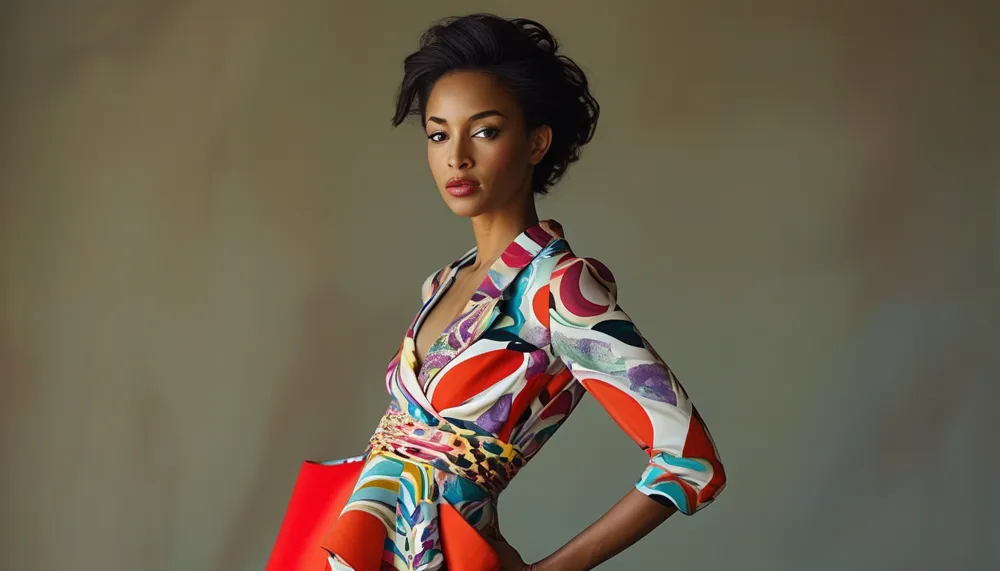
A bold wrap dress in a vivid color or striking print does three things simultaneously: it defines the waist, it follows your natural shape rather than imposing one, and it makes a statement on its own.

The mechanical reason it’s near-universally flattering is that you set the waist, not the manufacturer. Most dresses assume a fixed waist-to-hip ratio and only work if yours matches. A wrap ties wherever your waist actually is. That single feature solves the most common curvy-fit problem in existence.

Two things to check before buying: the wrap depth at the neckline (a too-shallow wrap gapes when you move — a small safety pin or a camisole underneath solves it permanently), and the tie strength, since a flimsy self-tie on a heavy fabric works loose over an evening.

What Other Statement Pieces Actually Flatter Curves?

The pattern: anything that defines the waist and lets the rest fall.

  • A belted statement coat. Possibly the highest-impact piece on this list. A coat that ties at the waist creates shape over everything you’re wearing underneath, which means one purchase upgrades every winter outfit you own.
  • High-waisted trousers. In a bold color, a wide leg, or a strong fabric. The high rise sits at your narrowest point and lets the leg fall cleanly from there — and it’s why low-rise trousers are so much harder to wear on a curvy frame.
  • Fit-and-flare dresses. Fitted through the bodice, released at the waist. In a vivid color this is a statement and a flattering silhouette in the same garment.
  • A structured blazer with a defined waist. Nipped, not boxy. Worn open over a fitted base, it creates vertical lines on both sides while the waist stays visible.
  • A bold belt. The cheapest way to convert a shapeless piece you already own into a waist-defining one.

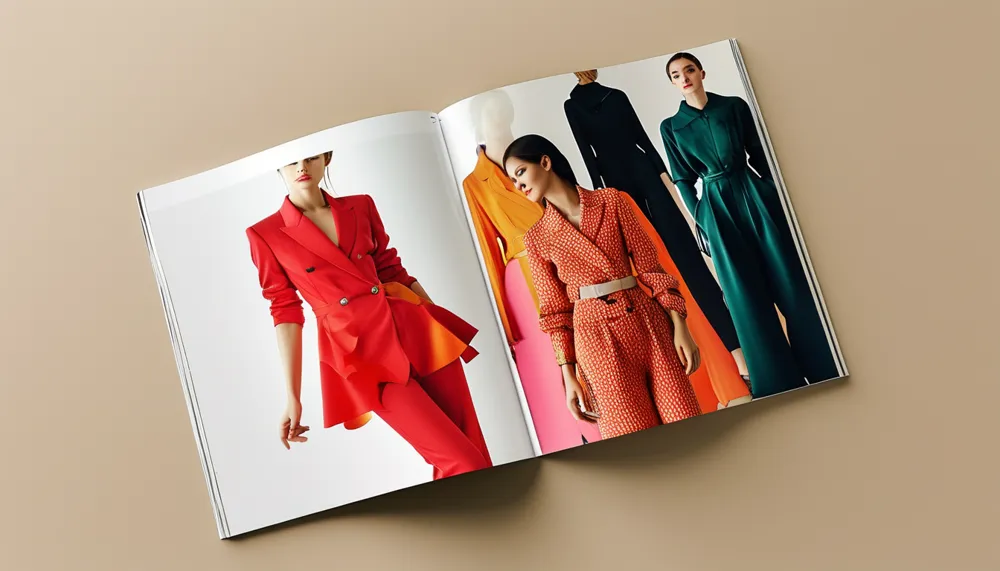
Styling flat lay

Why Does Fabric Matter More Than Design?

Because fabric decides whether a piece skims or clings, and that’s the whole game.

A brilliantly designed dress in thin, cheap jersey will cling to every line underneath it and look considerably worse than a simple dress in a good fabric. Structure is what lets a garment follow your shape without adhering to it.

Fabrics that work:

  • Ponte — a stable double knit with real body. Holds shape, doesn’t cling, and is comfortable enough to wear all day.
  • Structured crepe — drapes cleanly with weight behind it. The dressier option.
  • Quality heavy knit — follows curves smoothly and forgives more than woven fabric does.
  • Scuba and stretch woven — structured with give, good for fitted silhouettes.

Fabrics that fight you:

  • Thin jersey — clings and shows everything
  • Light polyester satin — the worst offender; it grabs and it wrinkles
  • Anything with no recovery — if it stretches and doesn’t spring back, it will bag out at the hip and knee within an hour

The test: scrunch a handful of the fabric and let go. If it springs back with body, it’ll hold its shape on you. If it stays limp and creased, it won’t.

Deeper dive

5 Mistakes Everyone Makes

  1. Sizing up to hide in. A too-big statement piece doesn’t disguise a shape — it adds volume and reads as swamped. Buy for your fullest measurement and take in everything else; that’s what tailoring is for, and it usually costs $20–40.
  2. Choosing shapeless over shaped. An unstructured tent conceals the waist entirely, which reads as bigger, not smaller. Definition at the waist is the most reliably flattering thing available.
  3. Ignoring the fabric. A bold design in bad fabric fails. A simple design in good fabric succeeds. If you only get one thing right, get this one.
  4. Buying prints you’re unsure about. Print scale matters more than print boldness — a mid-scale print on a well-fitted piece reads confident; a tiny busy print on the same piece reads dated.
  5. Waiting to feel ready. Nobody grows into a bold piece hanging in a closet. It works the first time you wear it or it never does.

Point detail

How Many Pieces Do You Actually Need?

Four or five. One vivid wrap dress, a belted statement coat, a bold fit-and-flare or high-waisted trouser, and a couple of striking accessories.

That’s enough to mix through an existing wardrobe so that most days include something you actually like wearing. Fewer, better, bolder — and each one earning its place — beats a closet full of safe pieces you’re indifferent to.

FAQ

What silhouettes are most flattering for curvy figures?

Anything that defines the waist: wrap, fit-and-flare, belted, and high-waisted shapes. Structure through the body with release below the waist is the most reliable formula, and it works across most body shapes rather than just one.

Should curvy women avoid bold prints and colors?

No. Bold color and print work well on any frame — what determines the result is fit and fabric, not scale of pattern. A vivid, well-fitted dress in structured fabric looks far better than a muted one that doesn’t fit.

Is it worth tailoring off-the-rack clothes?

Almost always. Taking in a waist or shortening a hem typically costs $20–40 and transforms how a piece sits. Buying for your fullest measurement and tailoring the rest is the single most effective wardrobe strategy for anyone whose measurements don’t match a standard size chart.

TL;DR

  • Define the waist. Wrap dresses, belted coats, fit-and-flare, high-waisted trousers.
  • Wrap dresses work because you set the waist, not the manufacturer.
  • Fabric decides everything — ponte, structured crepe, quality knit. Avoid thin jersey and light satin.
  • Buy for your fullest measurement, tailor the rest. Never size up to hide.
  • Do the scrunch test on fabric before buying.
  • Four or five statement pieces is enough to change how getting dressed feels.

Keep Reading

This article is for general styling and informational purposes only. Trends, sizing, availability and pricing may vary by brand and season.

← All articles