Curve Confidence

Flattering, confident style for curves

How to Build a Wardrobe That Loves Your Curves

2026-07-11

Quick Answer: To build a curvy wardrobe, start with foundations that fit your largest measurement and get everything else tailored. Prioritize waist-defining silhouettes (wrap dresses, belted coats, high-waisted trousers), choose structured fabrics with 2–5% elastane over thin clingy ones, and budget for alterations — they turn “almost right” into “made for me.”

You’ve stood in a fitting room with jeans that fit your hips perfectly and gape three inches at the back of the waist. You’ve bought the shirt that buttons over your bust only to find it billowing everywhere else.

That’s not your body being difficult. It’s mass-market sizing being built around proportions that most curvy women simply don’t have. Building a wardrobe that loves your curves is less about following rules and more about a repeatable strategy — here it is.

How to Build a Wardrobe That Loves Your Curves

Where Should You Start Building a Curvy Wardrobe?

With foundations, and with one rule: buy for your largest measurement, then tailor down.

You cannot add fabric that isn’t there. You can always remove it. A pair of jeans bought to fit your hips and taken in at the waist will look custom; a pair bought to fit your waist will never close over your hips.

The four foundations worth getting right before anything else:

  1. Jeans that fit the hip and seat, taken in at the waistband if they gape. Look for styles with a contoured waistband or high stretch content — they gape less to begin with.
  2. A bra that actually fits. Studies of bra fitting consistently find the majority of women in the wrong size, and nothing changes how clothes hang more than this one item.
  3. Tops that close over the bust without pulling at the buttons. Wrap and V-neck styles cheat this problem entirely.
  4. A dress that defines the waist. One good one is worth five that don’t.

Get these four right and everything you layer on top starts working.

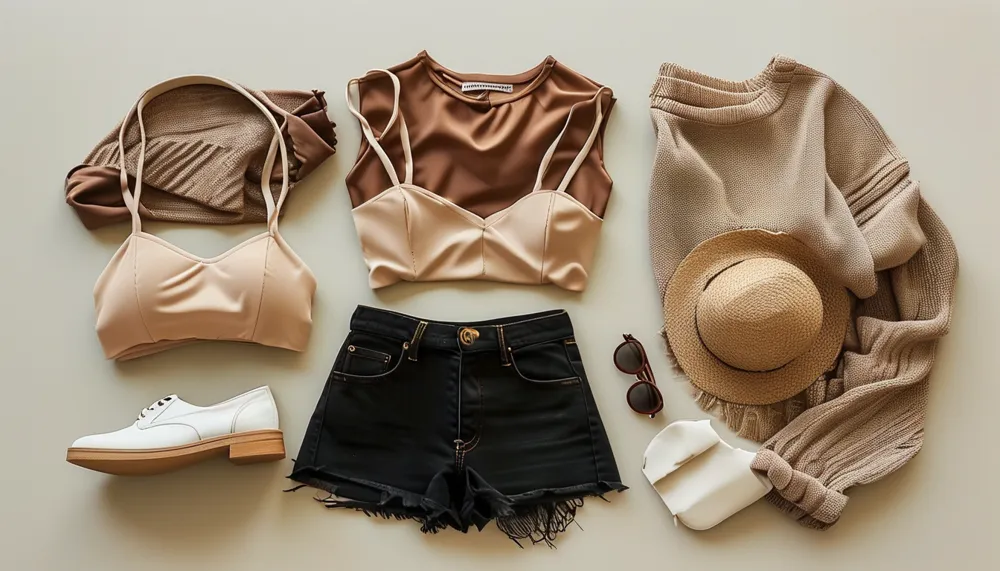
Styling flat lay

Which Silhouettes Are Worth Investing In?

The ones that acknowledge you have a waist rather than skimming past it.

  • Wrap dresses — adjustable at the exact point where sizing usually fails, which is why they’ve outlasted every trend since the 70s.
  • Belted coats — a straight coat over curves reads as a rectangle. A belt gives the whole outfit shape from the outside in.
  • High-waisted trousers and jeans — they sit at the narrowest part of your torso instead of cutting across the widest part of your hip.
  • Fit-and-flare — fitted through the bodice, released at the waist. Forgiving without being shapeless.
  • A well-cut blazer with a nipped waist — the single hardest-working layering piece you’ll own.

Note what these have in common: they all create definition at the waist, and none of them rely on being tight everywhere. Tight and flattering are not the same thing.

For everyday and workout wear, the same principle holds — a high waist yoga pant with a wide, contoured waistband does exactly what high-waisted trousers do, staying put through squats instead of rolling down at the front.

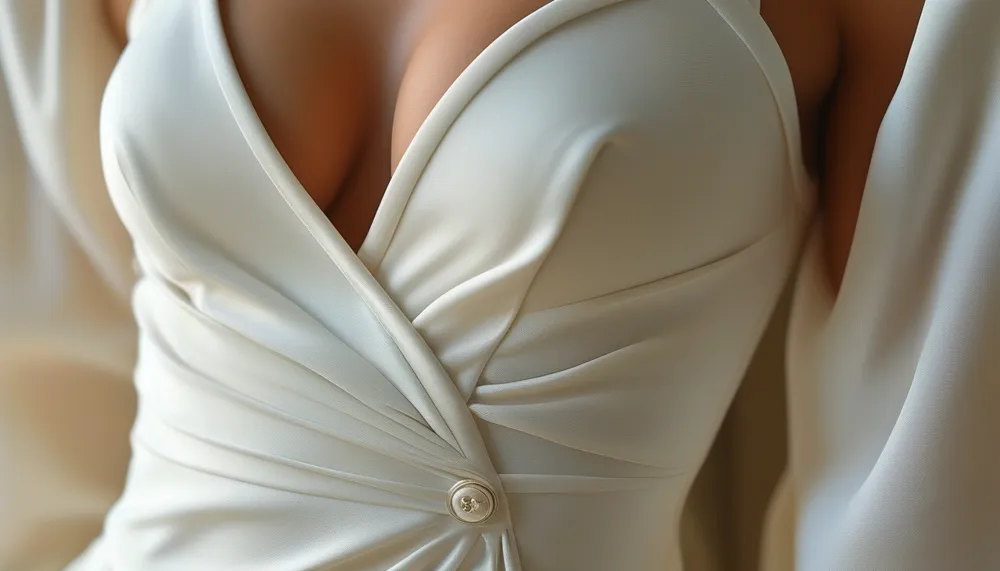
Point detail

What Nobody Tells You About Dressing Curves

Fabric matters more than cut. A beautifully cut dress in thin jersey will cling to every line; a simple shift in a substantial ponte or crepe will skim. Look for structured fabrics with a small amount of stretch — roughly 2–5% elastane — which gives you movement without the fabric grabbing.

Your size will vary by four or more across brands. Sizing is a marketing decision, not a measurement. Learn your actual bust, waist, and hip numbers in inches and shop by the size chart, not the label.

Tailoring is cheaper than you think and worth more than you think. Taking in a waist runs roughly $20–40; a hem is often $15–25. Compare that to the cost of the three “almost right” items sitting unworn in your closet. If you buy one strategy from this whole article, buy this one.

Vertical seams beat vertical stripes. Princess seams and panel construction shape a garment to a body. Printed vertical lines just sit flat on the fabric.

“Flattering” is a suggestion, not a law. Every rule here exists to be broken by someone who feels great breaking it. The point of a wardrobe is that getting dressed stops being a negotiation — not that you follow a chart.

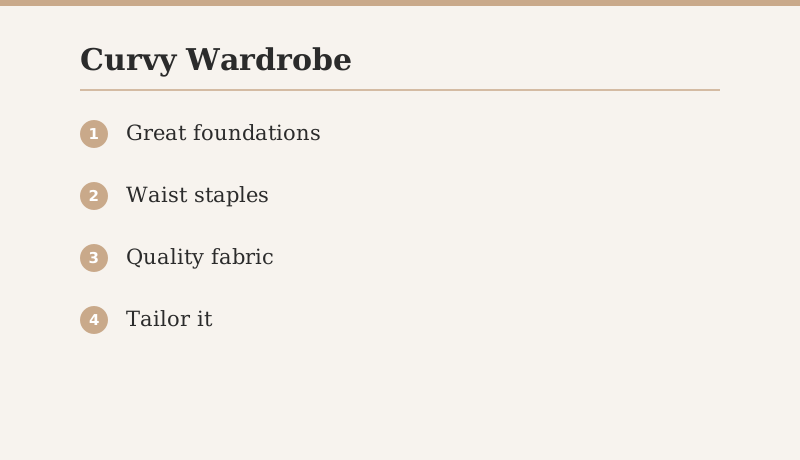
Style guide

How Many Pieces Do You Actually Need?

Fewer than the internet suggests. A functional curvy core is roughly 25–30 pieces:

  • 2–3 pairs of well-fitting jeans or trousers
  • 6–8 tops that close properly over the bust
  • 2 dresses that define the waist
  • 2 layering pieces (a blazer and a cardigan)
  • 1 belted coat
  • 3–4 pairs of shoes
  • Foundations that fit

The trick is that every piece must pass the same test: does it fit my largest measurement, and has it been tailored to the rest? If yes, it goes in rotation. If it’s waiting for a body change or a magic occasion, it’s taking up space and quietly making you feel worse every time you open the closet.

Build slowly. One well-fitting, tailored piece beats four compromises, and it’s the compromises that end up unworn.

Mini FAQ

What size should I buy if my bust, waist, and hips are different sizes?

Buy for your largest measurement and have the rest taken in, because fabric can be removed but not added. For tops that means buying for the bust; for bottoms it usually means buying for the hip and seat.

Are structured fabrics always better for curves?

Mostly, yes — substantial fabrics with a little stretch skim rather than cling, so they’re more forgiving in motion. Thin jersey and slinky satin aren’t off-limits, but they show every line and work best when the cut is deliberately loose.

Is tailoring worth it on inexpensive clothes?

Often, yes. Spending $25 to make a $50 pair of jeans fit perfectly gets you more wear than buying another $50 pair that also doesn’t fit. Skip it only when the fabric or construction is genuinely poor.

TL;DR:

  • Buy for your largest measurement, then tailor down — you can remove fabric, not add it.
  • Nail the four foundations first: jeans, bra, tops that close, one waist-defining dress.
  • Invest in waist-defining silhouettes: wrap dresses, belted coats, high-waisted trousers, fit-and-flare.
  • Choose structured fabrics with 2–5% stretch over thin clingy ones.
  • Budget $20–40 per alteration — it’s the highest-return money in your whole wardrobe.

Keep Reading

This article is for general styling and informational purposes only. Trends, sizing, availability and pricing may vary by brand and season.

← All articles